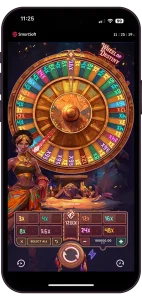
For decades, the casino floor was a kingdom ruled by chance. The spin of a roulette wheel, the deal of a blackjack hand, the clatter of slot reels—it was all about luck, fate, and the house edge. But something’s shifted. A new player has walked in, one who grew up with a controller in their hands. And honestly, they’re not content to just pull a lever and hope.
That’s where skill-based casino games come in. They’re blending the thrill of gambling with the mastery of video gaming, creating a whole new beast: the hybrid gaming experience. Let’s dive into why this is happening, what it looks like, and what it means for the future of betting and play.
Why Now? The Perfect Storm of Demographics and Tech
Here’s the deal. The traditional casino core audience is, well, aging. Meanwhile, millennials and Gen Z—a massive market—have different expectations. They crave engagement, interaction, and a sense of agency. They want to feel their input matters. A pure luck-based slot can feel passive, even boring, to someone who’s conquered Elden Ring or climbed the ranks in a competitive shooter.
So the industry got smart. They saw the pain point: attracting a younger crowd who viewed classic casino games as irrelevant. The solution? Merge lanes. Take the monetization and excitement of a casino and inject the gameplay loops of popular video games. It’s a response to a real demand, fueled by technology that makes these complex hybrids possible.
What Exactly Is a Skill-Based Slot or Game?
Don’t picture a joystick on a slot machine—not exactly. It’s more nuanced. In a traditional slot, the outcome is determined the millisecond you hit ‘spin’ by a Random Number Generator (RNG). In a skill-based game, a portion of the outcome, sometimes a big portion, is influenced by your performance in a mini-game.
Think of it like this: You trigger a bonus round. Instead of watching free spins play out automatically, you’re suddenly in a simple puzzle, a quick target-shooting game, or a racing challenge. Your score in that segment directly determines your bonus payout. The better you are, the more you can win. That element of control is the killer feature.
The Hybrid Arena: Where Worlds Collide
This isn’t just about slots, though. The hybrid gaming experience is a broader spectrum. It’s showing up everywhere.
Take live dealer games online. They blend the RNG of card distribution with the human skill of decision-making (like in blackjack), and now they’re adding interactive game-show elements—think lightning-fast reaction buttons or prediction games alongside the host. It’s a social, skill-tinted layer on top of a classic format.
Then there’s the esports betting overlap. Betting on the outcome of a professional Valorant match is one thing. But new platforms are experimenting with free-to-play models where you can win prizes based on predicting in-game events in real-time. You’re using your knowledge of the game—a skill—to inform your bets. It’s a short hop from there to playing a simplified version of that game yourself for a potential payout.
Key Formats Taking Over the Floor
Let’s get concrete. What are you actually likely to see?
- Arcade-Style Skill Slots: Games that look and feel like something from an arcade cabinet. Shooting galleries, racing games, or tower defense challenges embedded as the bonus round.
- Puzzle & Strategy Bonuses: Match-3 games (think Candy Crush), simple physics puzzles, or even tactical card games that determine your multiplier.
- Social Gaming Integrations: Games that feel like mobile social casino apps (which are hugely popular) but are directly linked to a real-money wagering terminal. It eases the transition from free-play to paid-play.
| Feature | Traditional Slot | Skill-Based Hybrid |
| Primary Input | Luck (RNG) | Blend of Luck & Player Skill |
| Player Engagement | Passive Observation | Active Participation |
| Core Audience Appeal | Traditionalists, Luck-Seekers | Gamers, Younger Demographics |
| Payout Determinants | Set RTP (Return to Player) | Variable RTP based on skill level |
The Tangled Web of Regulation and “The Edge”
This shift isn’t without its complications, of course. Gambling regulations are built on games of chance. Introducing skill muddies the water. Jurisdictions are scrambling to define what percentage of the outcome must be skill-based to change its legal classification. It’s a huge hurdle for widespread adoption.
And then there’s the player’s psychology—and the house’s bottom line. Casinos need a guaranteed edge. In a pure skill game, a truly expert player could theoretically win consistently. That’s a problem for the business model. So most true hybrid gaming experiences are cleverly balanced. The base game might remain largely chance-based, with the skill element controlling a bonus pool. Or the skill challenge has a difficulty ceiling, ensuring the house maintains a small, regulated advantage even for the best players. It’s a tightrope walk.
What This Means for Players (That’s You)
For you, the player or gamer, this is mostly exciting. It means more choice. It means sessions can feel less like a monetary grind and more like, well, playing a game. There’s a deeper sense of engagement. If you lose, you might blame your own timing rather than just “cold luck,” which honestly can feel less frustrating. And if you win, the victory feels earned.
But a word of caution. That “earned” feeling is potent. It can create the illusion of total control, potentially leading to longer play sessions or overconfidence. Responsible gambling principles still apply—fiercely. Just because you’re good at a puzzle doesn’t mean the underlying risk has vanished. It’s still gambling, with a new coat of paint.
The Future: A Blended Reality
Looking ahead, the line will blur even further. We’re already seeing VR casinos where you can physically reach out and pull a virtual lever. The next step is full-blown skill-based competitions in a virtual space for prizes. Imagine a weekly tournament in a dedicated blackjack room, but the leaderboard is based on your card-counting skill and strategic bets against other real players.
The rise of skill-based games isn’t a fad. It’s a fundamental adaptation. The casino floor of the future might have distinct zones: the classic luck-based area, a buzzing skill-based gaming arena that looks like an esports lounge, and social hybrid spaces in between. It’s becoming a broader entertainment destination, catering to different definitions of “play.”
In the end, it’s about meeting people where their interests lie. The generation that views gaming as a legitimate hobby, sport, and social space now has a bridge to the world of casinos. That bridge is built on skill, interaction, and a sense of agency. And that changes everything. The house still wins, sure, but now you get to feel like you put up a real fight.