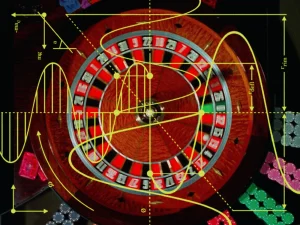
There’s a certain magic to it, isn’t there? The soft, rhythmic click of the ivory ball. The hypnotic spin of a perfectly balanced wheel. The faded velvet of a century-old layout. For a growing number of enthusiasts, the allure of vintage casinos isn’t found on the gaming floor—it’s in the hunt for its physical history. Collecting antique roulette wheels and casino memorabilia is more than a hobby; it’s a way to hold a piece of a glamorous, often secretive past.
Let’s dive in. This world is a fascinating mix of mechanical artistry, bold design, and straight-up storytelling. Whether you’re a seasoned collector or just feeling the pull of that beautiful wheel you saw online, understanding what to look for—and what it’s truly worth—is the first step to making a smart play.
What Makes an Antique Roulette Wheel Valuable?
Not all old wheels are created equal. Honestly, value can spin from a few hundred dollars for a simple 20th-century piece to well over $50,000 for a true museum-quality artifact. Here’s the deal: several key factors drive the price.
Provenance and Age
This is the big one. A wheel with documented history from a legendary casino like Monte Carlo’s Café de Paris or an old Vegas establishment like the Sands or the Dunes carries immense premium. Pre-1900 wheels, especially from European makers, are the holy grail. Think of it as the wheel’s resume—the better the story, the more valuable the piece.
Craftsmanship and Materials
Early wheels were works of art. Look for:
- Wood Type: Solid mahogany, oak, or rosewood turnings beat cheap laminate any day.
- Frets & Canoes: These are the metal dividers between numbers. Hand-forged brass or nickel-silver is a fantastic sign.
- The Ball Track: A smooth, perfectly milled track speaks to high-quality manufacturing.
- Ivory or Mother-of-Pearl: Early number markers were often made from these now-restricted materials. Their presence confirms age and adds value (with necessary documentation for legal sale).
Condition and Functionality
A wheel that spins true is worth more than a static display piece—usually. Original condition is king. A wheel with its original finish, layout, and working parts, even with a patina of age, is far more desirable than a heavily refinished one. Replaced parts or a new paint job can actually hurt the value.
Beyond the Wheel: The Wider World of Casino Memorabilia
Sure, the wheel is the star. But the stage is set with an incredible array of supporting artifacts. This is where you can really build a thematic collection without needing a warehouse.
Gaming Chips & Tokens: From clay “cheques” of 19th-century Europe to the iconic inlaid chips of the Rat Pack era, these are history you can hold in your palm. Rarity, casino fame, and condition dictate value.
Table Layouts: That green felt (or baize) is a canvas. Vibrant, art-deco designs from the 1930s or bold mid-century modern patterns are highly sought after. Fading and tears are common, so a clean one is a treasure.
Playing Cards & Dice: Sealed decks from defunct casinos or celluloid dice with their original packaging offer an affordable entry point. They’re small, but packed with character.
Ephemera & Signage: This category is exploding. Think: matchbooks, ashtrays, dealer buttons, pit boss badges, and even neon signs. These items capture the brand and atmosphere of a casino in a single, often graphic, object.
Navigating the Market: Buying, Selling, and Authenticating
Okay, so you’re hooked. Where do you actually find this stuff? And how do you avoid buying a clever reproduction?
Specialized auction houses are your best bet for high-end, vetted pieces. Online marketplaces can be fruitful, but caution is key. Look for sellers with deep knowledge and long histories. For chips and tokens, there are dedicated societies and grading services, similar to coins.
Authentication is everything. You know, it’s the pain point for every new collector. Study the details: the wear patterns should be natural, not manufactured. Screws should be period-appropriate. Labels and maker’s marks (from companies like John Huxley or Cammegh) are crucial clues. When in doubt, consult an expert. The community, honestly, is surprisingly welcoming.
A Quick-Reference Table: What’s It Worth?
| Item Type | Era / Key Feature | Estimated Value Range |
| French Roulette Wheel | Pre-1900, brass frets, mahogany | $15,000 – $50,000+ |
| American Roulette Wheel | 1940s-1960s, from known casino | $3,000 – $20,000 |
| Single “Chip” (Cheque) | Monte Carlo, 1890s, excellent condition | $200 – $1,000+ |
| Table Layout | 1930s Art Deco design, minimal fading | $800 – $3,000 |
| Neon Sign Fragment | 1960s Vegas, “Casino” or game name | $500 – $5,000 |
| Sealed Card Deck | 1970s, from Stardust or other iconic venue | $50 – $300 |
Note: These are broad estimates. Provenance can shatter these ceilings.
The Real Reward: More Than Money
At the end of the day—or the end of the spin—the true value of this collection isn’t just financial. It’s tactile. It’s about preserving the craftsmanship of a time before mass production. It’s about the story of a chip that might have sat next to Frank Sinatra’s stack, or a wheel that spun through the Roaring Twenties.
Each piece is a fragment of social history, a relic from temples of chance where fortunes and hearts were won and lost. Collecting them is a way to keep that story, and that unmistakable click-clack rhythm, alive. And that’s a bet that always pays off.