

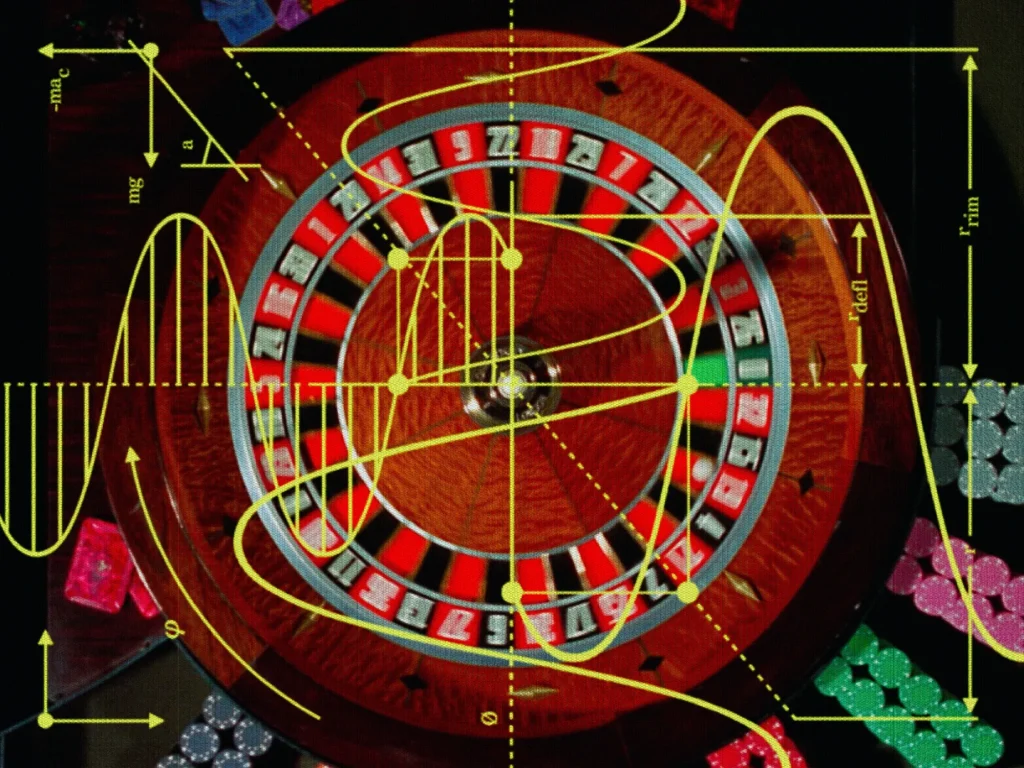
The hypnotic spin of the wheel. The gentle clatter of the ivory ball. The collective intake of breath as it finds its home. Roulette is, without a doubt, one of the most iconic casino games in the world. But here’s the thing most people don’t realize: the game you know is probably just one version.
Travel from the opulent halls of Monte Carlo to the buzzing floors of Las Vegas, and you’ll find that the classic game has morphed into a fascinating family of regional variants. Each one has its own quirks, its own charm, and its own specific appeal. Let’s dive into the global spin-cycle and explore the different roulette wheels you might encounter.
The Big Two: European and American Roulette
Before we jet-set, we have to meet the parents—the two most common versions that form the foundation for everything else.
European Roulette: The Sophisticated Original
Widely considered the game’s purest form, European Roulette is the standard across most of the globe, and for good reason. Its wheel features 37 pockets: numbers 1 through 36 (alternating red and black) and a single green zero.
That single zero is the star of the show. It’s what gives the house its edge, but it’s a relatively gentle one—just 2.70%. This lower house advantage is a massive draw for seasoned players who understand the long-term math. It simply offers better odds. The game often includes rules like “La Partage” or “En Prison” on even-money bets, which can effectively cut the house edge in half if the ball lands on zero. It’s a player-friendly classic.
American Roulette: The Double-Zero Twist
Now, cross the Atlantic. American Roulette took the original blueprint and added a distinctive—and for players, costly—twist. The wheel here has 38 pockets. It includes the numbers 1-36, a single zero, and a double zero (00), both colored green.
That extra pocket bumps the house edge up to a significant 5.26%. It nearly doubles it, in fact. This version is a staple in the United States and Canada, and while the higher house edge might seem like a raw deal, its fast pace and the extra betting option (you can bet on the double zero directly) give it a unique, high-energy vibe that many players adore.
| Variation | Number of Zeros | House Edge | Primary Region |
| European | Single (0) | 2.70% | Europe, Asia, Worldwide |
| American | Double (0, 00) | 5.26% | United States, Canada |
Beyond the Classics: Regional Gems
Okay, so you know the basics. But the real fun begins when you venture off the beaten path. These regional variations aren’t just about the numbers; they’re about culture, history, and a completely different way to play.
French Roulette: The Player’s Best Friend
Ah, French Roulette. This is where the game truly began, and many purists argue it’s where it reaches its peak. On the surface, it looks identical to European Roulette—a single zero wheel. The magic, however, is in the special rules and the unique table layout, which uses French terminology.
The two key rules we mentioned earlier are paramount here:
- La Partage: If the ball lands on zero, any even-money bet (like Red/Black or Odd/Even) is “split”—you lose only half your wager. It’s a lifesaver.
- En Prison: This rule “imprisons” your even-money bet for another spin if zero hits. If your bet wins on the next spin, you get your original stake back (no profit). It gives you a second chance.
These rules slash the house edge on even-money bets down to a microscopic 1.35%. If you can find a French Roulette table, honestly, it’s the best mathematical game in the house.
Mini Roulette: A Bite-Sized Bonanza
Looking for something quicker, simpler, and maybe a little less intimidating? Mini Roulette is your game. The wheel is, well, mini. It contains only 13 pockets: numbers 1 through 12 and a single zero.
The betting is streamlined, and the outcomes feel faster. The house edge is a bit of a mixed bag—it sits at 3.85%, which is higher than European but lower than American. It’s a fun, casual alternative that’s gained popularity in online casinos, perfect for a quick spin without the complexity of the full board.
Multi-Wheel and Live Dealer Innovations
The digital age has spawned its own incredible variations. Online casinos have pushed the boundaries of what’s possible. Imagine playing on not one, but eight wheels simultaneously. That’s Multi-Wheel Roulette. You place a single bet, and it’s replicated across up to eight different virtual wheels, with eight different outcomes spinning at once. It’s chaotic, thrilling, and a fantastic way to multiply potential wins.
Then there’s the revolution of Live Dealer Roulette. This isn’t a rules variation so much as an experience variation. It bridges the gap between online and land-based play by streaming a real human dealer from a studio to your device. You get the authenticity of a physical wheel and the social aspect of a real game, all from your living room. It’s become a massive trend, addressing the pain point of online play feeling too sterile.
So, Which Wheel Should You Choose?
With all these options, how do you pick? Well, it depends on what you’re after.
- For the best odds, hunt down a French Roulette table with La Partage or En Prison. It’s the undisputed champion for strategic play.
- If you’re in North America and love the high-energy casino vibe, the American double-zero wheel is part of the authentic experience.
- For a balanced, classic game that’s available almost everywhere, European Roulette is your reliable go-to.
- And if you’re just looking for a bit of fast, uncomplicated fun, give Mini or a multi-wheel game a shot.
The beauty of roulette’s global journey is that there isn’t just one way to play. From the elegant, low-edge tables of France to the bold, double-zero wheels of America, each variation tells a story. Each spin carries the weight of its own unique history and strategy. The next time you approach the felt, take a second to look at the wheel. You’re not just playing a game; you’re engaging with a little piece of cultural history. And that, you know, makes the outcome of that little white ball feel just a bit more meaningful.


